Science News
 American
Science News for 25 February 2021
American
Science News for 25 February 2021
Molecular bridges power up printed electronics
EurekAlert! - 25 Feb 2021 07:00
(Graphene Flagship) Graphene Flagship researchers boost the efficiency of conductive inks and devices connecting layered materials flakes with small molecules
Ghost particle travels 750 million light-years, ends up buried under the Antarctic ice
Live Science - 25 Feb 2021 14:00 Astronomers spot two highly delayed signals from two different black holes tearing apart stars in their vicinity.
70,000 never-before-seen viruses found in the human gut
Live Science - 25 Feb 2021 14:00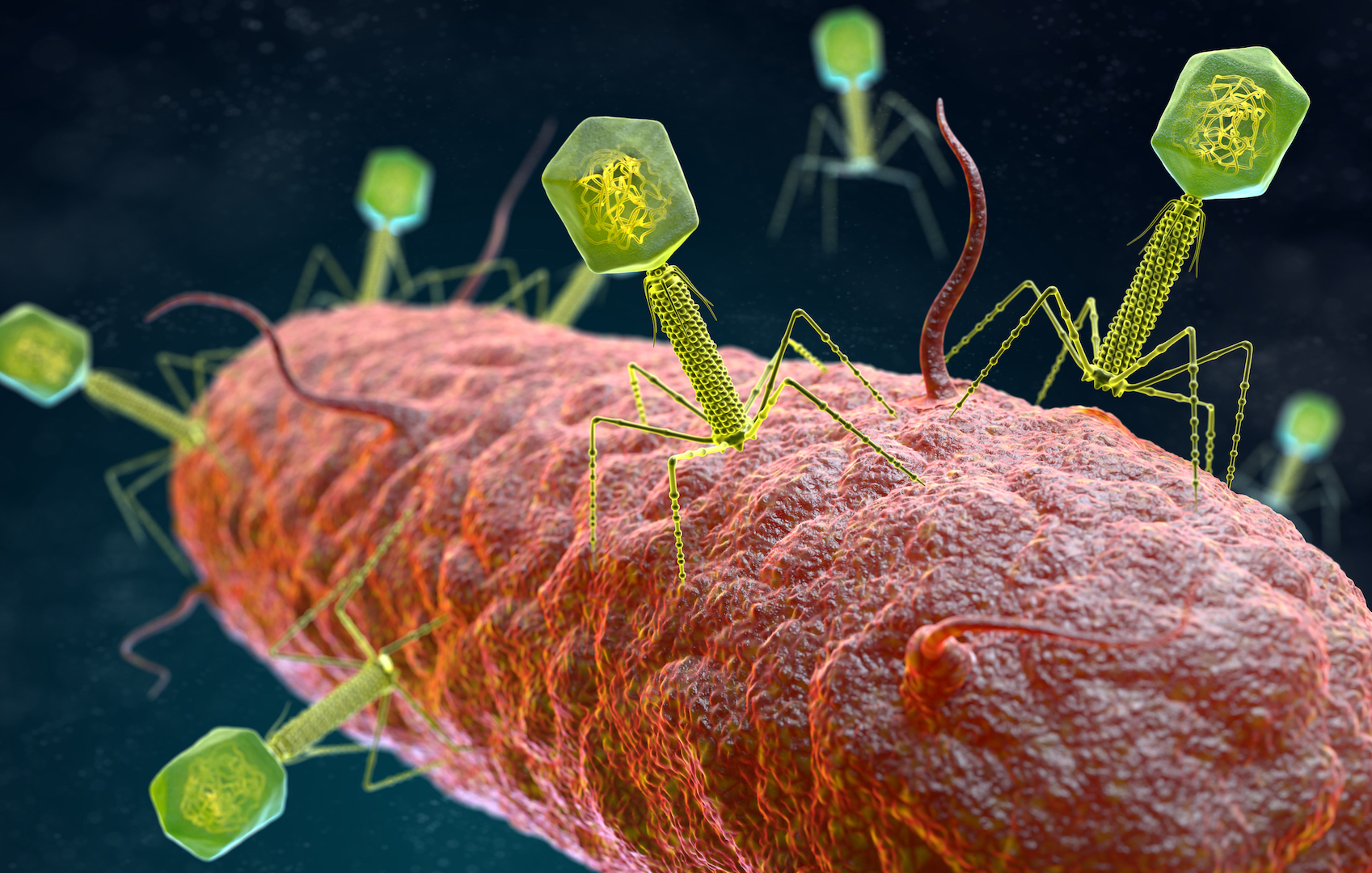 Hundreds of thousands of viruses can lurk in our guts -- but how they impact our bodies is a mystery.
New coronavirus variant in NYC has vaccine-evading mutation
Live Science - 25 Feb 2021 23:34 It has a mutation that may help the coronavirus partially evade COVID-19 vaccines.
How Light Could Activate Neurons
Neuroscience News - 25 Feb 2021 23:25 Study provides a broader understanding of light's ability to break chemical bonds and release active molecules.
Perseverance rover snaps gorgeous HD panorama of Mars landing site
Live Science - 25 Feb 2021 23:07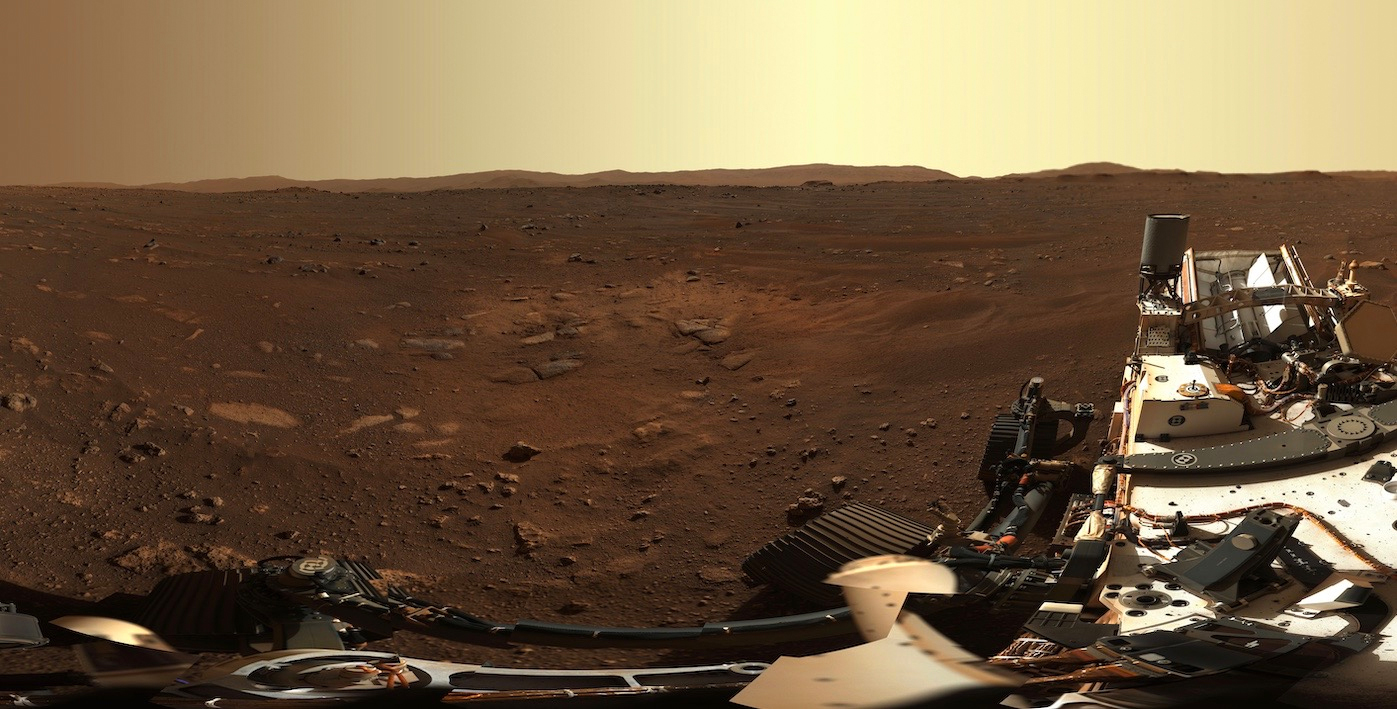 Perseverance has captured a high-definition, 360-degree panorama of its surroundings on the floor of Mars' Jezero Crater, which harbored a lake and a river delta billions of years ago.
High Smoking Dependence Linked to Depression
Neuroscience News - 25 Feb 2021 22:57 Smokers with a higher dependency on tobacco had a greater probability of reporting symptoms of depression.
Two New Genes Linked to Alzheimer's Disease Discovered
Neuroscience News - 25 Feb 2021 22:39 A new study of gene expression in the hippocampus has unveiled two new genes potentially implicated in Alzheimer's disease.
Gut Health and Mood Genetically Entwined
Neuroscience News - 25 Feb 2021 22:19 Researchers have identified a genetic link between depression and an increased risk of developing stomach ulcers.
Artificial 'Brain' Reveals Why We Can't Always Believe Our Eyes
Neuroscience News - 25 Feb 2021 22:01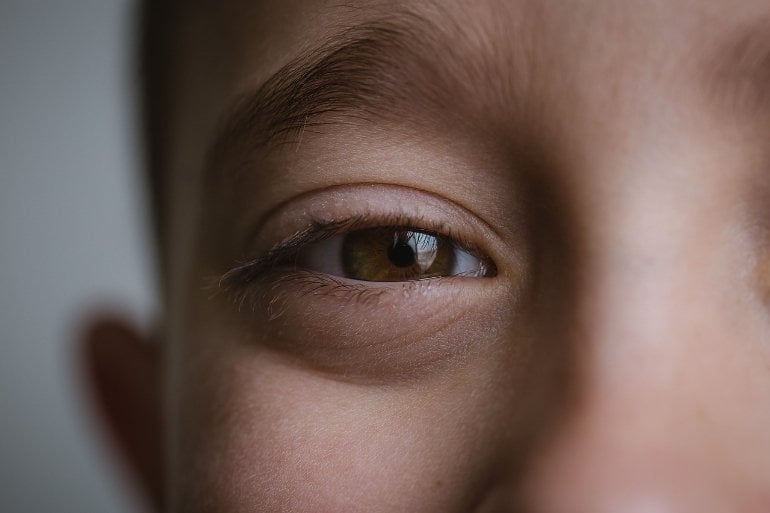 A new artificial neural network based on the human brain sheds light on how we process moving images.
Chip simplifies COVID-19 testing, delivers results on a phone
Science Daily - 25 Feb 2021 21:38
Programmed magnetic nanobeads paired with an off-the-shelf cellphone and plug-in diagnostic tool can diagnose COVID-19 in 55 minutes or less.
Drive-thru type test to detect viral infections in bacteria
Science Daily - 25 Feb 2021 21:37
The pandemic has made clear the threat that some viruses pose to people. But viruses can also infect life-sustaining bacteria. A research team has developed a test to determine if bacteria are sick, similar to the one us...
Understanding the evolution of SARS and COVID-19 type viruses
Science Daily - 25 Feb 2021 21:37
As COVID-19 sweeps the world, related viruses quietly circulate among wild animals. A new study shows how SARS-CoV-2, the virus that causes COVID-19, and SARS-CoV-1, which caused the 2003 SARS outbreak, are related to ea...
Openly available toolkit to help lab-based coronavirus research
Science Daily - 25 Feb 2021 21:36
During the SARS-CoV-2 outbreak, laboratories worldwide have pivoted from their usual research to working to identify new COVID-19 drug and vaccine candidates. This experimental work requires access to clinical isolates a...
Vitamin D deficiency does not increase risk of type 1 diabetes, study finds
Science Daily - 25 Feb 2021 21:36
Genetically determined vitamin D levels do not have a large effect on risk of type 1 diabetes in Europeans, according to a new study.
Two new genes linked to Alzheimer's disease discovered
Science Daily - 25 Feb 2021 21:36
A research team has discovered two new genes potentially involved in Alzheimer's disease. They identified them by exploring which genes were turned on and off in the hippocampus of people who suffered from the disease.
Study estimates two-thirds of COVID-19 hospitalizations due to four conditions
Science Daily - 25 Feb 2021 21:36
A new study estimates 64 percent of adult COVID-19 hospitalizations in the U.S. may have been prevented if there were less obesity, hypertension, diabetes, and heart failure. The model suggests notable differences by age...
Changes in Gut Microbiome Connected to Alzheimer's-Like Behavior
Neuroscience News - 25 Feb 2021 21:28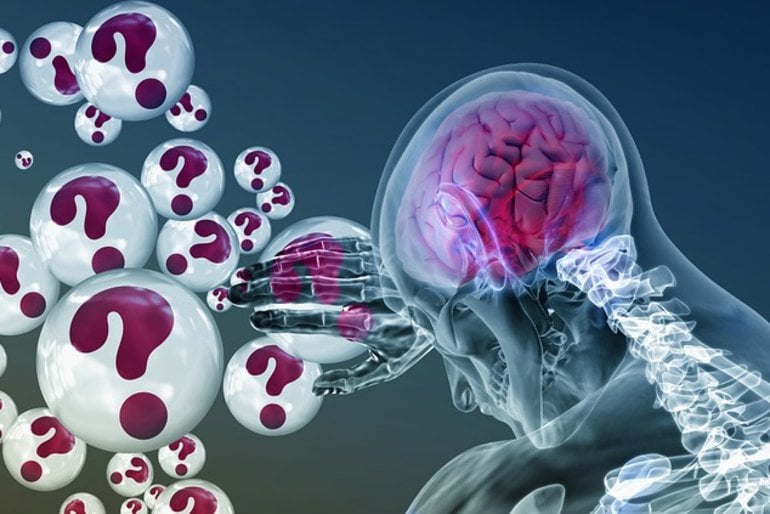 Study reveals a correlation between the composition of the gut microbiome and behavioral and cognitive performance in mice with Alzheimer's related genes.
Weill Neurohub Joins With Genentech and Roche to Advance Neuroscience Research
Neuroscience News - 25 Feb 2021 21:02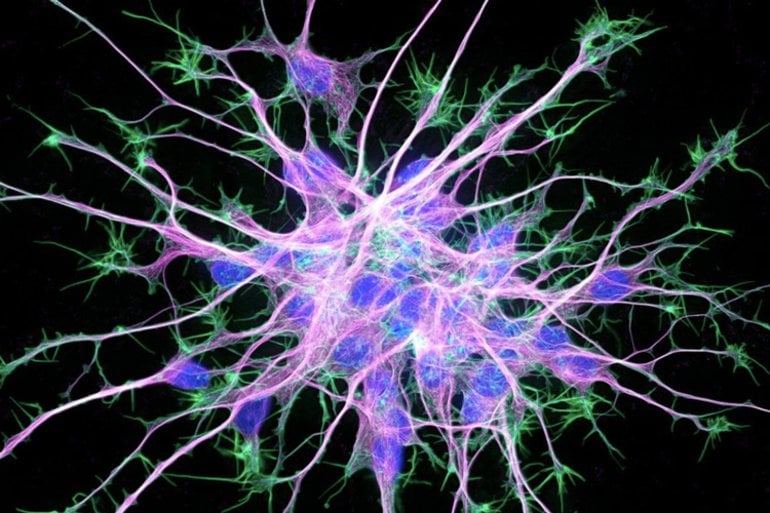 Weill Neurohub announces a long-term research partnership with Genentech and Roche Holding AG to advance the development of new therapeutics for debilitating brain and central nervous system diseases.
Google uses underwater fibre-optic cable to detect earthquakes
New Scientist - 25 Feb 2021 21:00
A team including researchers at Google has used one of the search giant's underwater fibre optic cables to detect earthquakes and ocean waves generated by storms, without needing any extra equipment
We've finally figured out why there were no medium-sized dinosaurs
New Scientist - 25 Feb 2021 21:00
Fossil hunters struggle to find evidence of medium-sized carnivorous dinosaur species - perhaps because juvenile forms of giants like T. rex outcompeted them
Effective Anxiety Therapy Changes Personality
Neuroscience News - 25 Feb 2021 20:46 Researchers report a reduction in neuroticism for people with generalized anxiety disorder who successfully completed metacognitive therapy or cognitive behavioral therapy.
 Global
 Great Britain
 Indian
 South Africa